
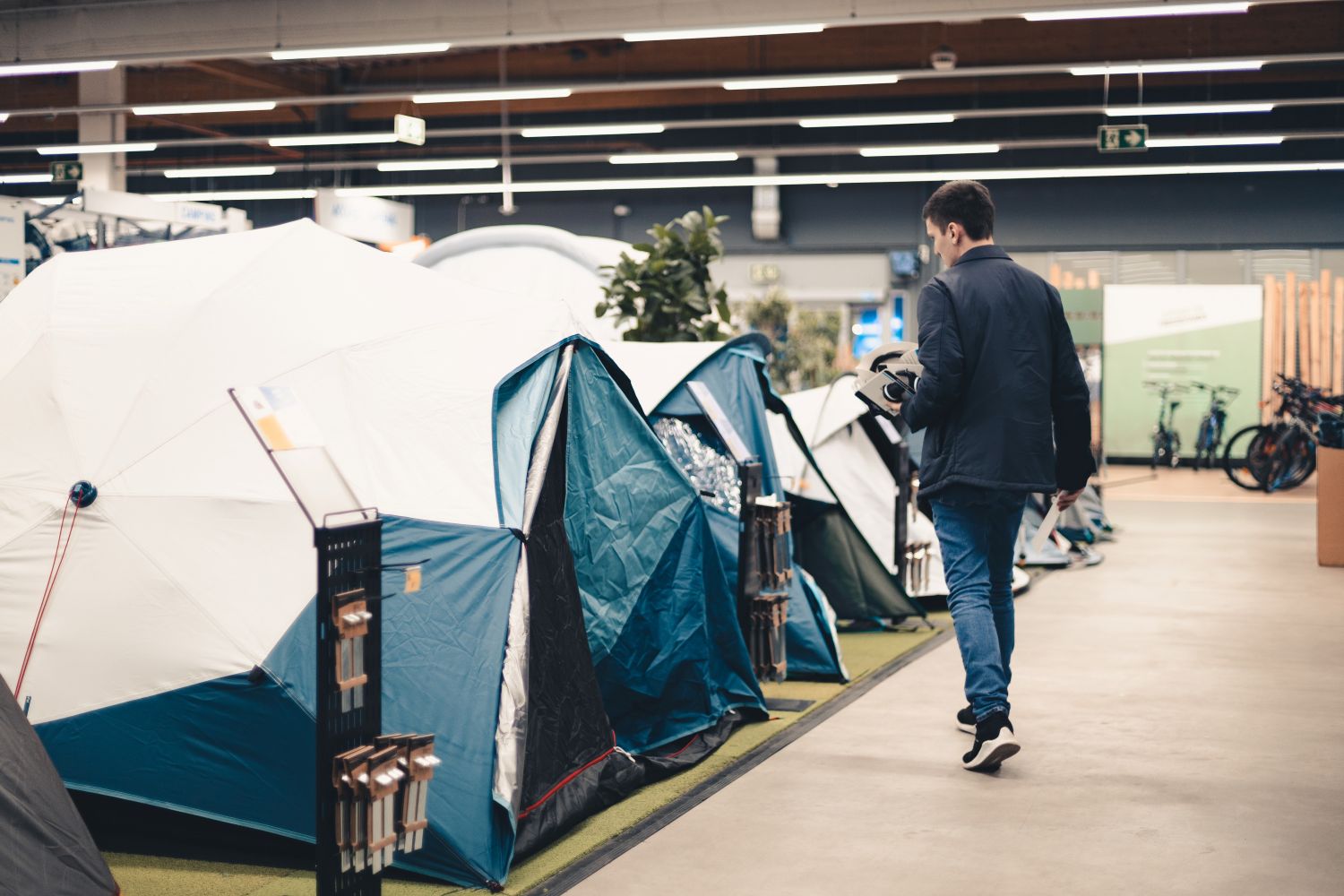
Whether you’re an avid camper, a festival-goer, or just someone who enjoys the occasional outdoor adventure, choosing the right tent can make all the difference in your experience. With so many options available, shopping for a tent can feel overwhelming. However, with a little knowledge and consideration, you can shop like an expert. Here’s a comprehensive guide to help you find the perfect tent for your needs.
Before diving into the details, think about how you plan to use your tent. Are you going on a weekend camping trip with friends, or are you planning a solo backpacking adventure? Your camping style will greatly influence the type of tent you need.
The climate in which you plan to camp is crucial in selecting the right tent. Tents are typically categorized by seasonality:
Tents come in various sizes, typically categorized by the number of people they can accommodate. However, it’s wise to choose a tent that allows for some extra space. For example, if you’re camping with two people, consider a three-person tent to provide extra room for gear and comfort.
If you plan to hike to your campsite, the weight of the tent is a significant factor. Lightweight tents typically weigh between 2 to 5 pounds, while heavier models may weigh more. Always check the tent’s packed size to ensure it fits comfortably in your backpack.
Some tents are easier to set up than others. Look for features like color-coded poles, quick-setup systems, or pop-up designs if you want a hassle-free experience. Practice setting up your tent at home before your trip to familiarize yourself with the process.
The materials used in a tent can significantly impact its durability and performance. Look for tents made from high-quality fabrics like ripstop nylon or polyester, which offer better resistance to tears and weather conditions. Additionally, check the tent’s waterproof rating (measured in millimeters) to ensure it can handle rain.
Good ventilation is essential for comfort, especially in warmer weather. Look for tents with mesh panels, windows, and vents that allow airflow while keeping insects out. Proper ventilation helps reduce condensation inside the tent.
Tents can vary widely in price, from budget-friendly options to high-end models. Determine your budget before shopping, but also consider the long-term investment. A quality tent that meets your needs may cost more initially but will provide better performance and longevity.
Read reviews from other campers to get insights into specific models. Look for feedback on durability, ease of setup, and overall satisfaction. Recommendations from friends or outdoor enthusiasts can also be invaluable.
Consider any additional accessories you might need, such as a footprint (a ground tarp to protect the tent floor), a rainfly (for extra rain protection), or a tent footprint. These extras can enhance your camping experience and prolong the life of your tent.
Visiting a dedicated outdoor retailer allows you to see and feel the tents in person. Knowledgeable staff can provide valuable insights and recommendations based on your needs.
Online shopping offers a wider selection and often better prices. Just make sure to check return policies and read customer reviews before making a purchase. Websites that specialize in outdoor gear often have detailed specifications and user feedback.
Shopping for a tent doesn’t have to be a daunting task. By understanding your needs, considering key features, and doing thorough research, you can confidently select a tent that will enhance your outdoor adventures. With the right tent in hand, you’re all set to create unforgettable memories under the stars. Happy camping!